Tuna Recall At Costco: A Comprehensive Guide To Understanding The Situation - Regulatory agencies such as the FDA and USDA play a vital role in ensuring food safety. These organizations set guidelines and conduct inspections to minimize the risk of contamination. Retailers like Costco must adhere to these regulations while also maintaining their own internal quality control processes. The tuna recall at Costco serves as a valuable lesson in the importance of food safety and quality control. While such incidents can be unsettling for consumers, they also highlight the need for transparency and accountability in the food supply chain. Costco's swift response to the recall demonstrates the company's commitment to protecting its customers.
Regulatory agencies such as the FDA and USDA play a vital role in ensuring food safety. These organizations set guidelines and conduct inspections to minimize the risk of contamination. Retailers like Costco must adhere to these regulations while also maintaining their own internal quality control processes.
Statistics reveal the scale and frequency of food recalls in the United States. According to the FDA, there were over 400 food recalls in 2025 alone, with contamination being the leading cause. The tuna recall at Costco is just one example of how even reputable brands can be affected by such incidents.
The primary cause of the tuna recall at Costco was linked to potential contamination with harmful pathogens. According to reports, the affected tuna products were suspected of containing bacteria such as Listeria monocytogenes or Salmonella. These pathogens pose serious health risks to consumers, particularly those with weakened immune systems.
We encourage readers to remain informed about food safety practices and to take proactive steps to ensure their own well-being. By following the advice provided in this article, you can minimize your risk of exposure to contaminated products. Please feel free to leave a comment or share this article with others who may find it helpful. Together, we can promote safer food practices and a healthier community.
Here are some best practices for ensuring food safety:
The tuna recall at Costco had a significant impact on consumers, both in terms of health concerns and trust in the brand. Many customers were left questioning the safety of other products sold by Costco. While no confirmed cases of illness were reported, the potential risks associated with the contaminated tuna products were enough to cause alarm.
This tuna recall at Costco serves as a reminder of how even trusted brands can face challenges related to product safety. Understanding the root causes and the company's response is essential for consumers who rely on Costco for high-quality products. By examining this incident closely, we can better appreciate the complexities of food supply chains and the measures required to maintain consumer trust.
Supply chain transparency is crucial in preventing such incidents. The following factors were identified as potential contributors:
Costco's response to the tuna recall was swift and transparent. The company prioritized consumer safety by issuing a comprehensive recall notice and providing clear instructions for affected customers. Costco's customer service team was mobilized to handle inquiries and facilitate the return process.
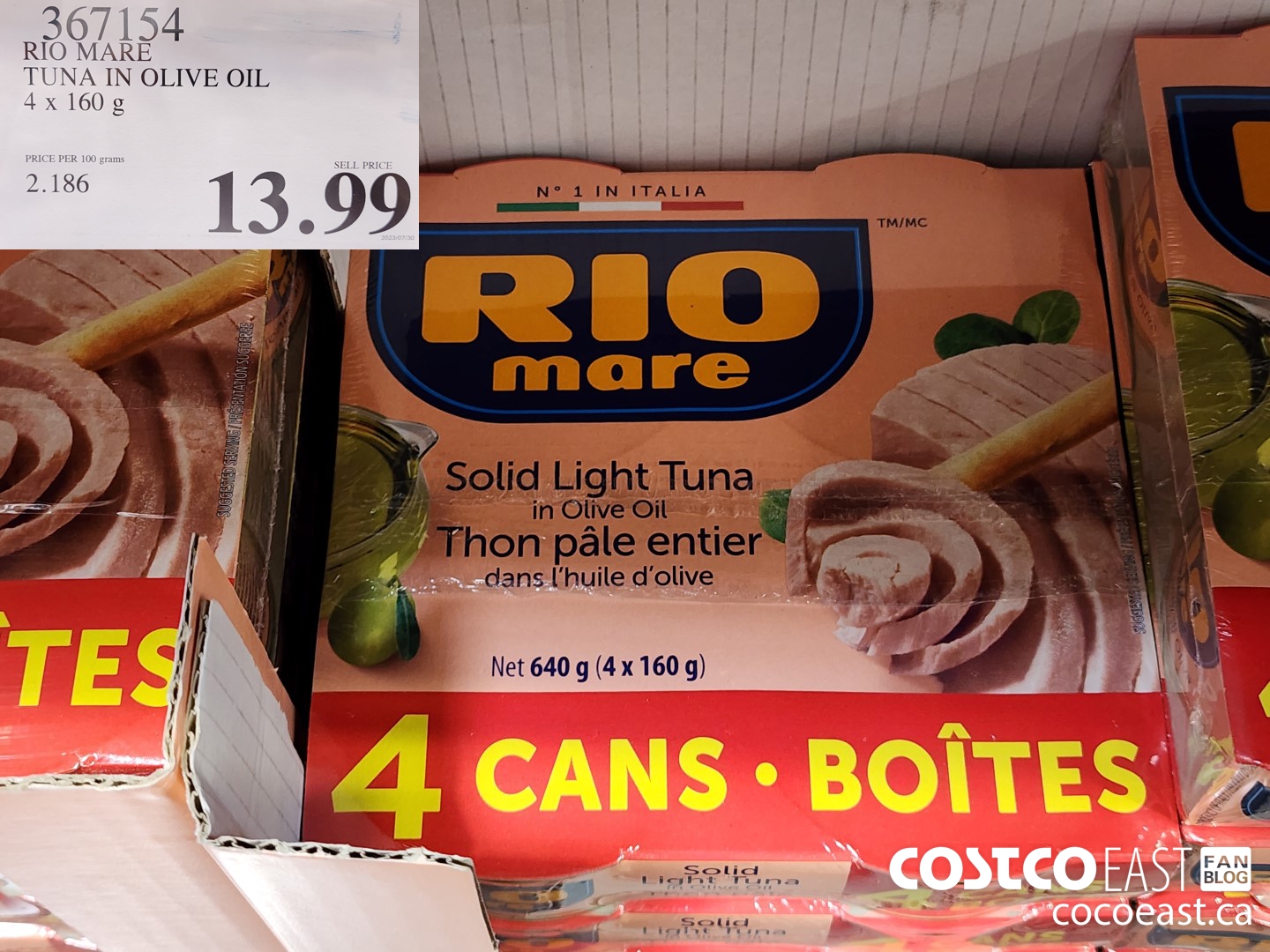
Costco's reputation as a reliable retailer was put to the test, but the company's swift response helped mitigate some of the negative effects. Customers appreciated the transparency and accountability demonstrated during the recall process.
:max_bytes(150000):strip_icc()/AR-costco-recall-adobe-4x3-2-096a82eecb80443fb2c3e43547cd9a7f.jpg)
Data from the Centers for Disease Control and Prevention (CDC) indicate that foodborne illnesses affect millions of Americans each year. These illnesses result in significant healthcare costs and lost productivity, underscoring the importance of preventing contamination in the food supply chain.
Consumers can take several steps to protect themselves from foodborne illnesses. Staying informed about recalls and following proper food handling practices are essential for maintaining health and safety. Here are some tips for consumers: